How to Do a Reverse Phone Lookup (And What You Can Actually Find)

System Administrator
25 mars 20269 min read
How to Do a Reverse Phone Lookup (And What You Can Actually Find)

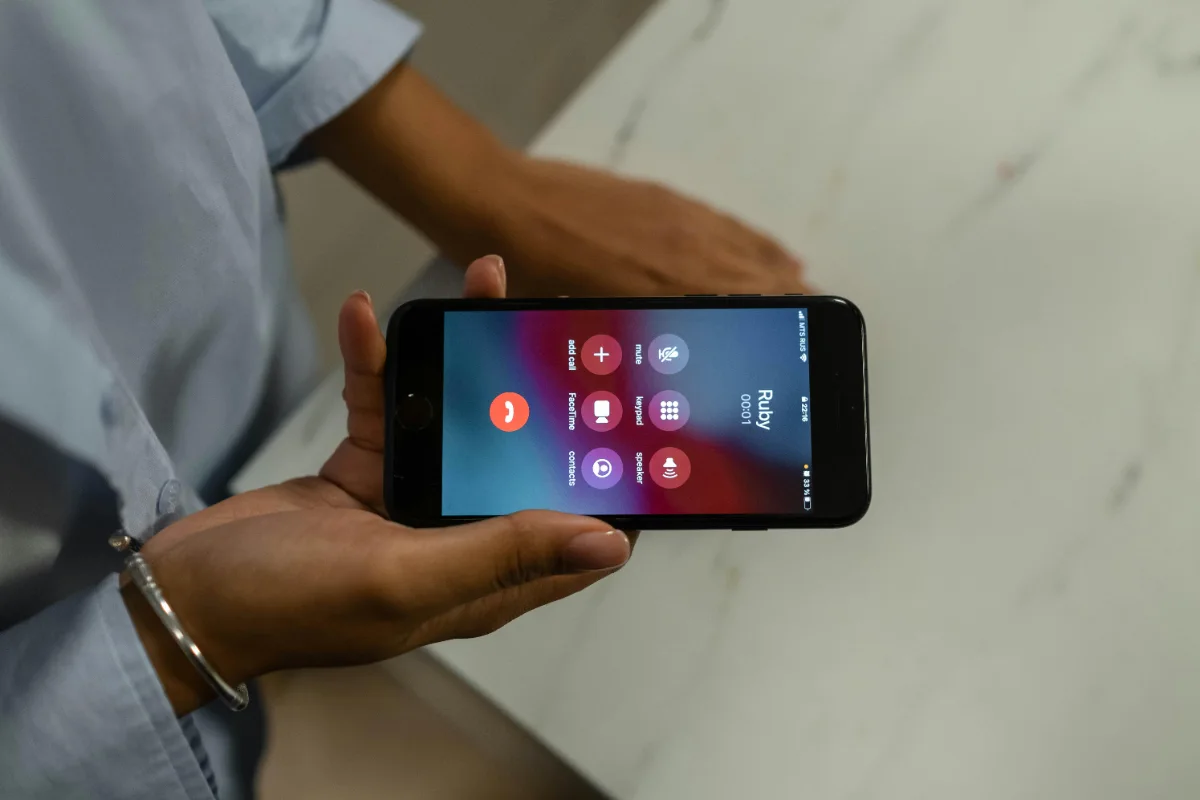
An unknown number keeps calling. Maybe it is a missed call from a potential employer, a spam ring, or a long-lost relative. A reverse phone lookup lets you start with a phone number and work backward to uncover the person or organization behind it. Instead of guessing or calling back blindly, you query public records, carrier data, and commercial databases to surface the identity tied to those digits.

In 2024, the Federal Trade Commission reported that Americans lost $12.5 billion to fraud — a 25% jump from the previous year. Many of those scams started with an unknown phone call or text. A quick phone number lookup before engaging can be the difference between a normal conversation and a financial disaster.

This guide explains how reverse phone lookups actually work, what information they can and cannot reveal, and how to run one yourself — whether you use free tools or paid services.

What Is a Reverse Phone Lookup?

A standard phone directory works in one direction: you know a person's name and you look up their number. A reverse phone number lookup flips that. You start with the number and retrieve the associated name, address, carrier, and other details linked to it in public and commercial records.

Think of it as a background check for a phone number. Law enforcement agencies have used this technique for decades. What has changed is that commercial databases and OSINT (Open Source Intelligence) platforms now make the same capability available to consumers. When you search a number, the platform queries aggregated records — voter registrations, property filings, utility records, social media profiles, and carrier data — to assemble a profile of the number's owner.

How Reverse Phone Lookups Work

Behind every reverse lookup is a data supply chain. Understanding it helps you interpret the results accurately.

The Data Sources

Lookup services pull from several layers of data. Public records form the foundation — these include property deeds, court filings, voter registrations, and business filings where phone numbers appear as contact information. On top of that sit commercial datasets assembled by data brokers, who aggregate records from warranty registrations, loyalty programs, app permissions, and online account sign-ups. Finally, carrier data provides the technical layer: which telecom company issued the number, whether it is a landline, mobile, or VoIP line, and where it was originally registered.

How Results Are Assembled

When you enter a number, the platform cross-references it against these sources using identity resolution algorithms. These algorithms match a phone number to other data points — email addresses, physical addresses, names, and social profiles — to build a composite record. The more data sources a platform queries, the richer the result. This is why results vary between services: each one has different partnerships with data brokers and different access to public record databases.

Free vs. Paid Reverse Phone Lookup Services

Not all lookup tools are created equal. The distinction between free and paid services matters, and understanding it prevents frustration.

Free Options

Google Search is the simplest free method. Enter the number in quotes ("555-123-4567") and review the results. If the number is listed on a business website, social media profile, or public directory, Google will surface it. This works well for businesses and public figures. It works poorly for private individuals.

Truecaller maintains a crowd-sourced database of phone numbers. Its free tier identifies callers in real time and flags known spam numbers. The data quality depends on how many users in a given region contribute their contact lists, so coverage is stronger in some countries than others.

Whitepages offers a free basic lookup that returns the caller's name, city, and carrier type. Detailed information — full address, associated people, background data — requires a paid subscription.

Paid Options

Paid platforms like ClarityCheck, BeenVerified, and Spokeo go deeper. They access multiple commercial databases simultaneously, which means a single search can return a fuller profile: full name, current and previous addresses, email addresses, associated relatives, social media accounts, and in some cases, criminal records and financial indicators. The trade-off is cost — most services operate on a subscription model or charge per lookup.

Which Should You Choose?

For identifying a business or checking whether a number is flagged as spam, free tools are usually sufficient. For vetting an unfamiliar person — a new online contact, a potential tenant, someone who keeps calling your elderly parent — paid services provide significantly more useful data. The depth of information scales with the depth of the database.

What Information Can You Find?

A comprehensive reverse phone lookup can surface more data than most people expect. Here is what a typical search may return, depending on the service and the data available for that specific number:

Owner identity: The registered name associated with the phone number. For business lines, this includes the company name and sometimes the specific department or location.

Current and previous addresses: Physical locations linked to the number's owner over time. This data comes primarily from property records, utility filings, and address-change databases.

Carrier and line type: Whether the number is a mobile line, landline, or VoIP (Voice over Internet Protocol) number, and which carrier operates it. This is particularly useful for scam identification — legitimate businesses rarely contact you from disposable VoIP numbers.

Email addresses: Email accounts associated with the number's owner, cross-referenced from data broker records and public registrations.

Associated people: Family members, roommates, or business partners linked through shared addresses or records. Scammers sometimes use this information for social engineering, so knowing what is exposed about your own network is valuable. For more on why auditing your own data matters, see our guide on what "No Caller ID" means and how to find out who called.

Social media profiles: Accounts on platforms like Facebook, LinkedIn, and Instagram linked to the number or associated email addresses.

When to Use a Reverse Phone Lookup

Reverse lookups are not just for catching scammers — though that is a major use case. Here are the most common situations where a quick search pays off:

Screening unknown callers. Before returning a missed call from an unfamiliar number, a quick lookup tells you whether it is a legitimate caller, a telemarketer, or a known scam number. If the number shows as flagged as "Spam Risk" by carriers, you have your answer.

Verifying online contacts. Whether you are buying something on a marketplace, connecting with someone on a dating app, or vetting a new freelance client, confirming that a phone number matches the person's claimed identity is basic due diligence. If the phone number traces back to a different name or a different city than what they told you, that is a red flag worth investigating.

Investigating suspicious texts. The FTC reported $470 million lost to text message scams in 2024. If you receive an unexpected text claiming to be your bank, a delivery service, or a government agency, running the sender's number through a lookup can immediately reveal whether it is a legitimate business line or a disposable VoIP number. For a deeper dive on how these scams work, see our guide to identifying and blocking phone scams.

Reconnecting with people. A reverse lookup can help identify a number from an old contact who you have lost touch with. If you find a number in your call history or an old phone and want to know who it belongs to, a lookup is faster than guessing.

Protecting family members. If an elderly relative is receiving repeated calls from an unfamiliar number, running a lookup can determine whether the caller is a legitimate organization or part of a known scam pattern. The FBI's 2024 Internet Crime Report documented nearly $4.9 billion in elder fraud losses, making this a significant and growing concern.

Limitations and Privacy Considerations

Reverse phone lookups are powerful, but they are not omniscient. Several factors limit what you can find:

Unlisted and prepaid numbers: Numbers that were never tied to a public record or formal account — such as prepaid burner phones — will return minimal or no data. This is also why scammers prefer them.

Recently ported numbers: When someone transfers a number between carriers, there can be a lag before databases update. Results may temporarily show the previous owner's information.

VoIP and virtual numbers: Numbers issued through services like Google Voice, TextNow, or business VoIP platforms often lack the public record trail that traditional carrier numbers have. A lookup may identify the carrier as VoIP but return limited personal data.

Data accuracy: No database is perfect. Records can be outdated, incomplete, or incorrectly matched. Treat results as strong leads that warrant verification, not as absolute facts.

Legal and ethical boundaries: Reverse phone lookups are legal for personal use in the United States. However, using the information for harassment, stalking, employment discrimination, or other prohibited purposes violates federal and state laws, including the Fair Credit Reporting Act (FCRA). Legitimate services include terms of use that prohibit these activities. It is your responsibility to use the information ethically. If you think someone has blocked your number, a lookup is not the appropriate response — respect their boundaries.

How to Run Your First Reverse Phone Lookup

The process is straightforward regardless of which service you choose:

Step 1: Copy the full phone number, including the area code. For international numbers, include the country code.

Step 2: Enter it into your chosen lookup tool — Google (for a free basic check), Truecaller (for caller ID and spam detection), Whitepages (for basic identity data), or a paid platform like ClarityCheck, BeenVerified, or Spokeo (for comprehensive results).

Step 3: Review the results critically. Check whether the name, location, and carrier type match the context. A caller claiming to be from your local bank whose number traces to an out-of-state VoIP provider is almost certainly a scam.

Step 4: Cross-reference if needed. For important decisions — vetting a business partner, investigating a potential scam — run the associated name or email through a separate search to confirm consistency. Fraudsters can fake one data point; faking an entire interconnected identity is much harder.

Start Recherche de Téléphone

Frequently Asked Questions

Is a reverse phone lookup legal?

Yes. In the United States, reverse phone lookups using publicly available data and commercial databases are legal for personal use. The information returned is sourced from public records, carrier data, and commercial data brokers. However, using the results for employment screening, tenant screening, or credit decisions requires compliance with the Fair Credit Reporting Act (FCRA) and may require using a designated consumer reporting agency. Using the results for harassment or stalking is illegal under federal and state law.

Can you do a reverse phone lookup for free?

Yes, but with limitations. Google searches, Truecaller, and the free tier of Whitepages can identify businesses, flag spam numbers, and return basic information like the caller's name and city. For detailed results — full addresses, associated people, email accounts, background data — you will typically need a paid service. The trade-off is between cost and comprehensiveness.

What does it mean if a reverse lookup returns no results?

A number that returns no results is typically a prepaid (burner) phone, a recently issued VoIP number, or a number from a carrier or country with limited database coverage. In the context of scam identification, a blank result is itself a signal — legitimate callers (businesses, government agencies, long-standing personal numbers) almost always have some data trail. A number with no history is worth treating with extra caution.