How to Identify a Fake Text Message (and Trace the Number)
Here's how to identify a fake text message in seconds, plus how to potentially find out who is behind the number.
Scam Alert
Claire Kellerman
Sep 8, 2026 • 6 min read
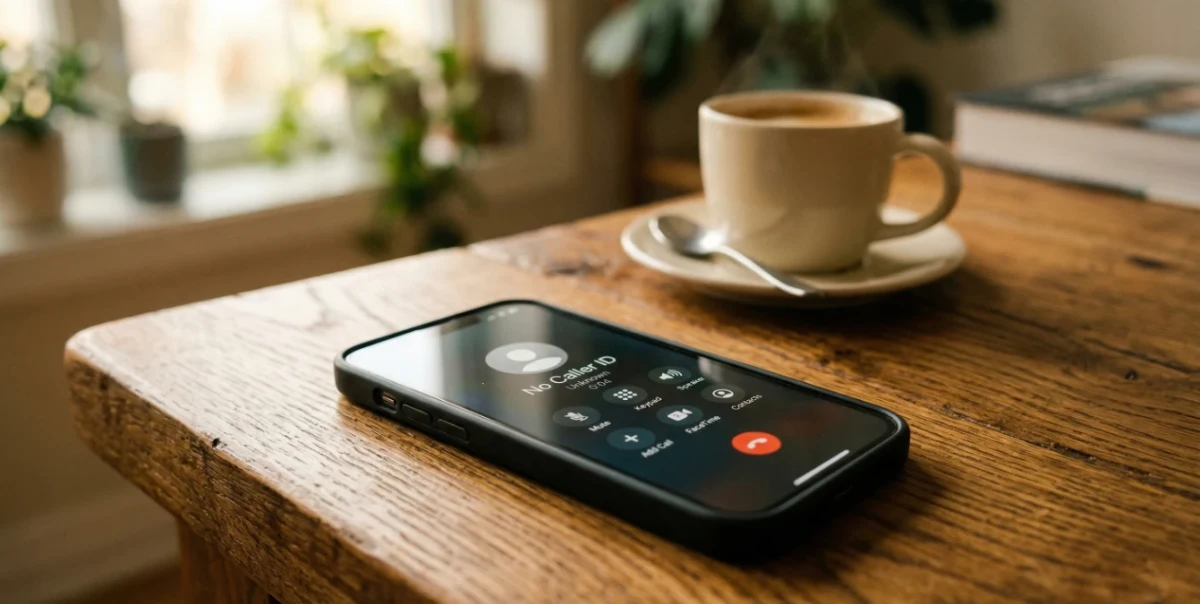
Karen's phone rang three times a day, for 11 days. There was no name or number on her phone's screen, just three words: No Caller ID.
She answered the first time. Silence, then a click. By day four she'd stopped picking up, but she hadn't stopped watching the phone. By day eight she'd downloaded every caller ID app she could find.
By day 11, she was drafting a police report she wasn't sure she needed. On day 12, one of the apps intercepted the call and surfaced a number. She ran it through ClarityCheck's reverse phone lookup service.
Four seconds later, the mystery had been solved. It was a medical billing company, two states away. Her name was in their system, but her name had been misspelled. After all that, it had been a wrong number. Eleven days of dread, all for a stranger's unpaid radiology bill. Here's everything Karen wished she'd known before day one.
When your screen shows "No Caller ID," the caller has deliberately withheld their number before placing the call. Their phone, or their phone system, sent the call without transmitting an originating number. Your phone had nothing to display and filled the gap with "No Caller ID" as a placeholder.
This is not a glitch. It is a choice made by the caller, their employer's IT department, or their carrier.
In the US and Canada, anyone can hide their number by dialing *67 before calling. Most smartphones also have a "Hide My Caller ID" toggle in their settings. Large organizations like hospitals, law firms, and billing departments frequently configure their entire phone system to suppress outgoing caller ID. Every call that leaves the building looks identical on your screen. The billing department calling Karen had been set up that way for years.
These labels get used interchangeably, but they mean different things.
No Caller ID means the caller deliberately suppressed their number, and therefore nothing was transmitted.
Unknown Caller means the number was transmitted but got lost in transit, between carriers, across international gateways, or through a VoIP system that couldn't translate the format. This is usually accidental; international calls are the most common source.
Blocked means the same thing as No Caller ID, just labeled differently depending on your carrier and phone model.
The takeaway: "No Caller ID" is a choice. "Unknown Caller" is typically an accident.
Doctors' offices, hospitals, and billing departments frequently call from suppressed lines, often to protect patient privacy. A call displaying "Riverside Cancer Center" on a shared screen, for example, could reveal sensitive health information to anyone nearby.
Police departments and government caseworkers operate from lines configured to hide direct numbers, protecting staff from being contacted personally.
Many companies suppress outgoing caller ID across their entire organization. The recruiter, account manager, or billing rep who called you may not even know their number is hidden. Someone in IT made that call years ago.
Calling a stranger — about a rental listing, a Craigslist ad, or a new contact — and dialing *67 first is reasonable personal privacy. This is the same logic as not giving out your home address before meeting someone.
Fraudsters suppress numbers to prevent identification and reporting. If a No Caller ID call involves urgency, threats, or financial pressure, treat it like a suspicious email: stay calm, give nothing, hang up on your terms.
Calling back is impossible — nothing was transmitted, meaning there's nothing to dial. Standard reverse phone lookup tools will have the same problem: no digits, no search.
Dial *57 immediately after the call. This logs the originating number in your carrier's system. It's not shared with you directly, but it is subpoenaable by law enforcement if calls are harassing. This typically costs $1 to $3 per use. It's useful as evidence, not casual identification.
Several apps attempt to unmask hidden numbers using network-level interception and call-forwarding techniques. Results vary by carrier, but when they work, they give you actual digits. Once you have a number, a reverse phone lookup can surface publicly available information tied to it. That's how Karen's mystery ended.
Legitimate callers leave messages, but scammers rarely do. A recording creates evidence and removes their element of surprise. A No Caller ID call that hangs up without leaving a voicemail tells you something on its own.
Carriers can block all anonymous calls at the network level, provide detailed call logs if a police report is involved, or flag patterns of harassing anonymous calls.
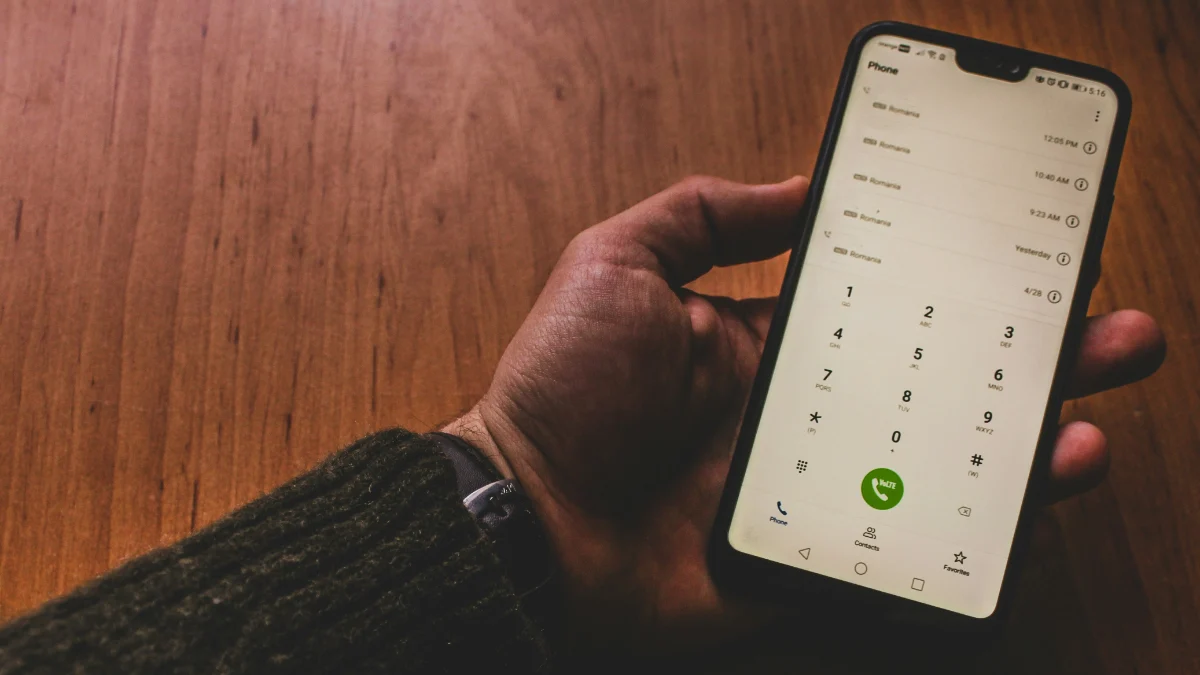
Silence Unknown Callers: Settings → Phone → Silence Unknown Callers. This sends all calls from numbers not in your contacts straight to voicemail, including No Caller ID. The trade-off is that legitimate first-time callers also get silenced.
Do Not Disturb with contact exceptions: Settings → Focus → Do Not Disturb → People → Allow Calls From → Contacts Only. This is more aggressive, but useful during a high volume of harassing calls.
Third-party caller ID apps on iOS can attempt to unmask No Caller ID calls by briefly declining, routing through their service, and calling you back with the number displayed. Effectiveness varies by carrier.
Phone app → Settings → Blocked Numbers → toggle on "Unknown." Standard on Pixel devices, downloadable on most Android phones.
Phone app → three-dot menu → Settings → Block Numbers → toggle on "Block unknown/private numbers."
T-Mobile ScamShield, AT&T ActiveArmor, and Verizon Call Filter all block anonymous calls at the network level. Blocked calls won't appear in your call log at all.
Karen called the billing company back and spelled her name out. The billing company found the account, confirmed the mix-up, and removed her number. The calls stopped the same day.
She thought about 11 days of dreading her own phone, the Reddit threads she'd created, the half-written police report. All of it traced back to three words on a screen — No Caller ID — that meant nothing more sinister than a billing system nobody had ever updated.
Now you know what's behind it. And if a number ever surfaces and you want to know what's attached to it, ClarityCheck's reverse phone lookup can pull publicly available information in seconds.
Here's how to identify a fake text message in seconds, plus how to potentially find out who is behind the number.
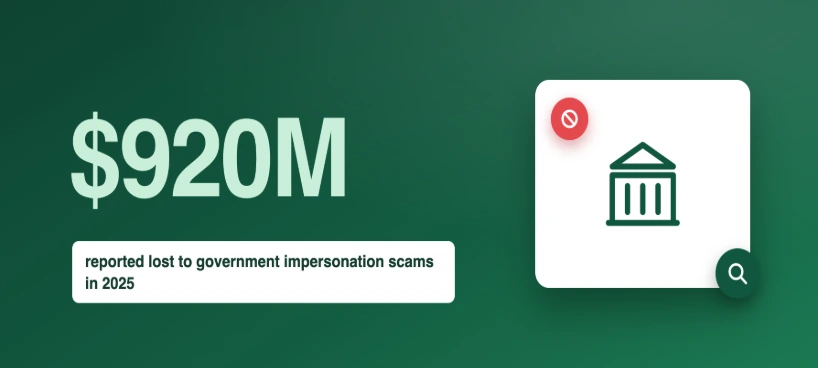
Got a call about back taxes? The IRS never calls first. Here's how the scam works, the fake agency names to know, and what to do next.
How to find someone on Discord with or without their username, what their profile still reveals, and how to check they're who they say before you trust them.