Back Taxes Scam Call: The IRS Never Calls First
Got a call about back taxes? The IRS never calls first. Here's how the scam works, the fake agency names to know, and what to do next.
Scam Alert
Claire Kellerman
Aug 26, 2026 • 7 min read
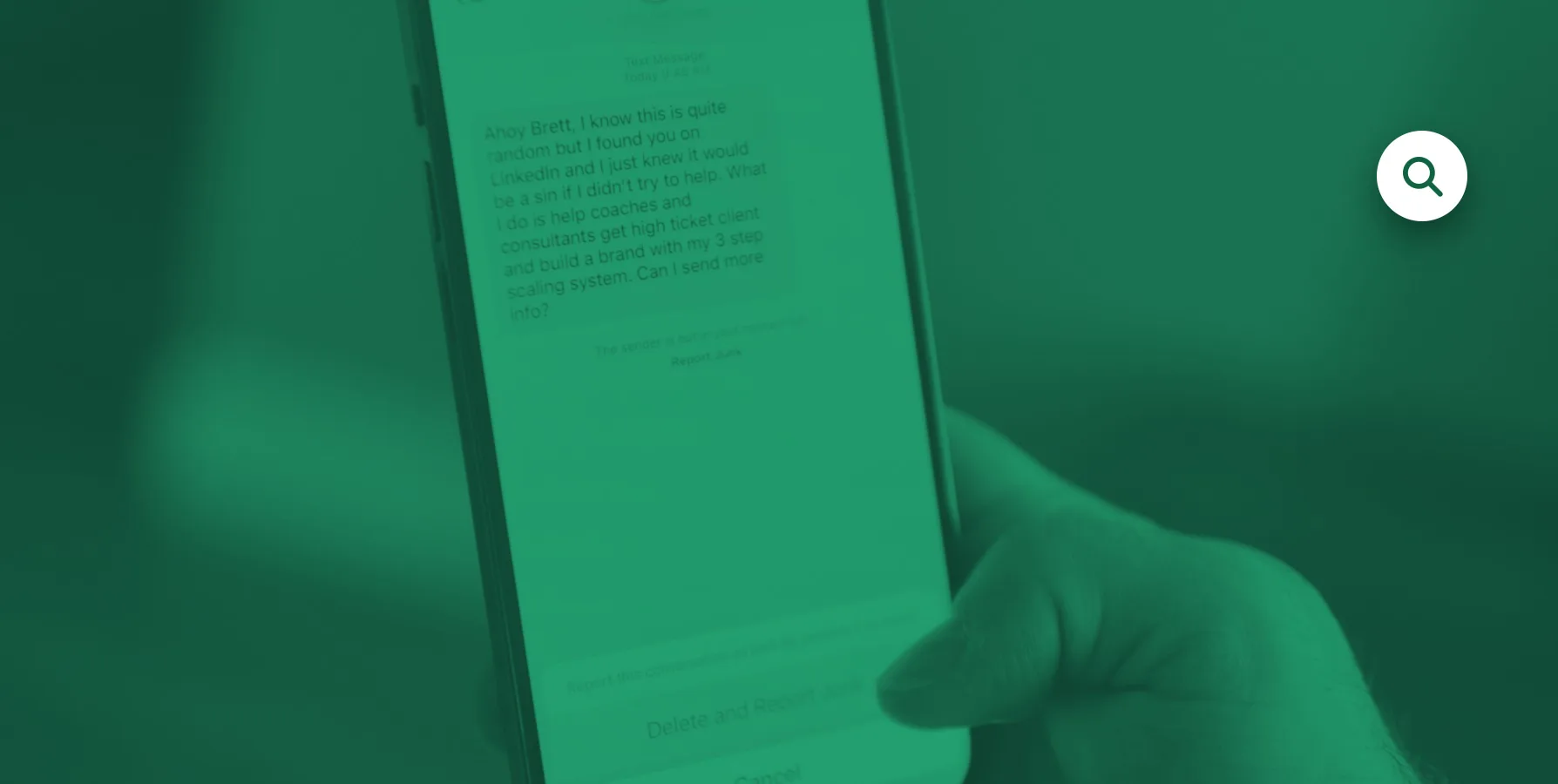
Maybe you got a text saying there’s a package for you, but it’s being held at customs. There’s a link you can follow to pay the applicable fees. The phone number that sent it looks normal. Is the text real, or a scam?
To identify a fake text message, check for the following five things. If two or more show up, don’t reply.
A fake text message is any message sent under a false pretense. Often, they are impersonating a bank, a courier, or agency like the IRS.
There are three common setups to the phone numbers behind text message scams.
Disposable VoIP numbers. Bought in bulk from internet calling services for a few dollars, used for a week, discarded. These are the workhorses of text fraud, and are real phone numbers, but not attached to real people.
Spoofed sender IDs. The number displayed isn't the number sending. Under 47 CFR § 64.1604, spoofing a text sender's ID to defraud has been illegal in the US since 2019.
Email-to-text gateways. Messages injected through carrier gateways, showing a long or oddly formatted number.
Two of those three leave something behind. It’s the same logic that separates a private number from an unknown caller.
When the FCC wrote its 2023 rules on illegal texts, it considered requiring caller ID authentication for SMS and decided against it. The reason, from the order itself, is that commenters "explained that illegal and unwanted messages rarely come from spoofed numbers."
Carriers, security vendors, and messaging platforms told the regulator the same thing. Scammers don't need to fake the number. Instead, they buy a real one, burn through it, and buy another.
That means the number that texted you is very likely a genuine line with a real carrier, line type, and registration history. A spoofed number gives you nothing, but a burner gives you a thread to pull.
Americans reported $470 million lost to text scams in 2024, five times the 2020 figure, with a median loss of $1,000. Here’s how you can identify them.
Delivery problems are the most reported text scam, usually impersonating organization like USPS or another postal service. The "redelivery fee" is a card-harvesting step.
"USPS: your package is being held at our facility. Confirm your address to release it: usps-redelivery[.]info"
Legitimate organizations rarely operate on a same-day ultimatum by SMS. For example, unpaid toll notices impersonate real programs like FasTrak, threatening to close your account.
"Final notice: your account will be suspended within 24 hours unless payment is verified."
Real companies use their own domain. Look for hyphens, extra words, digits mid-name, odd endings, or shorteners hiding the destination.
One-time passcodes are often legitimate, but a message asking you to read one back is an account takeover in progress.
"Your verification code is 483920. Reply with this code to confirm your identity."
Fake fraud alerts follow the same shape. For example, a bank or Amazon urging you to move money somewhere "safe."
Your bank texts from a five or six digit short code, not a mobile number in a random area code. A courier texting from a VoIP line three states away isn't a courier.
If two or more appear together, don't reply. Replying confirms the line is active, which is worth money to whoever sent it.
You can't unmask a sender through the message itself, but uou can check what the number is publicly connected to.
1. Copy the number, don't tap anything. Long-press to copy. Avoid the link entirely.
2. Google search the number in quotes. Numbers used in mass campaigns often show up on complaint boards within days.
3. Check the line type. A reverse phone lookup may surface whether a number is mobile, landline, or VoIP, plus the general city and state it's tied to. A VoIP line claiming to be your regional post office tells you what you need to know. For more on reverse phone lookups, check out our guide on what you can expect in free versus paid services.
4. Look for a public footprint. Depending on public records, a search may return a possible owner name, address history, linked email addresses, or public social profiles. Numbers with no footprint tend to be days old.
5. Cross-check what you find. If a name comes back, run it against the story in the message. Checking a Suspicious Text on iPhone and Android
On iPhone, texts from numbers not in your contacts land in a separate Unknown Senders tab, and recent iOS versions flag suspected scams with a Junk label. Press and hold a link to preview its destination. If the message claims to be from Apple, it's fake. Apple doesn't text you to verify an Apple ID.
On Android, Google Messages flags suspected scams with a red banner and routes them to Spam and Blocked. Legitimate US businesses send from registered 10-digit long codes, verified toll-free numbers, or leased short codes. Anything from an email-to-SMS gateway or a random international number is almost certainly fake.
Forward it to 7726. That spells SPAM on the keypad and routes it to your carrier's abuse team free. The FTC's guidance covers both platforms.
Report it. File at ReportFraud.ftc.gov, and IC3.gov if money was lost. It's worth knowing what a real agency will and won't do. The same warnings about phone scams apply to text messages.
Block the number. Blocking on iPhone or Android stops that line. Expect the next from a different one, which is why reporting matters more.
If you tapped the link, change that account's password from a different device and turn on two-factor authentication. If you entered card details, call your bank using the number on your card.
If a conversation started, stop it. Wrong number openers are the entry point to long-running investment fraud.
Got a number you don't recognize? Run it through ClarityCheck's reverse phone lookup to potentially find information like line type, general location, and any public records connected to it.
Got a call about back taxes? The IRS never calls first. Here's how the scam works, the fake agency names to know, and what to do next.
How to find someone on Discord with or without their username, what their profile still reveals, and how to check they're who they say before you trust them.
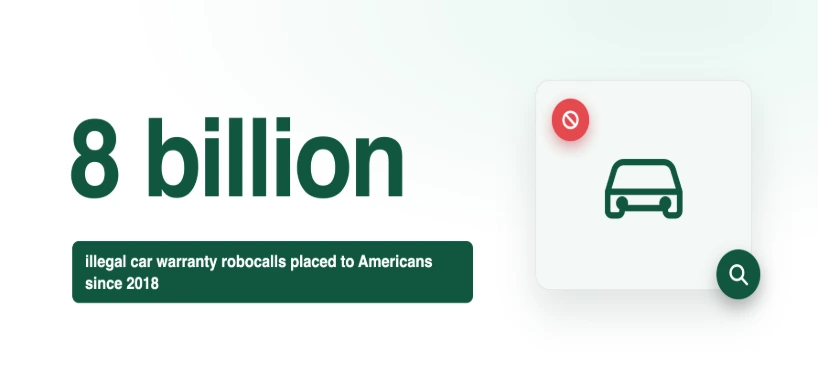
Getting car warranty scam calls? Here's how they work, what regulators have found, and the one question a scammer can never answer.