
How to Identify a Fake Text Message (and Trace the Number)
Here's how to identify a fake text message in seconds, plus how to potentially find out who is behind the number.
Scam Alert
Claire Kellerman
Sep 8, 2026 • 6 min read
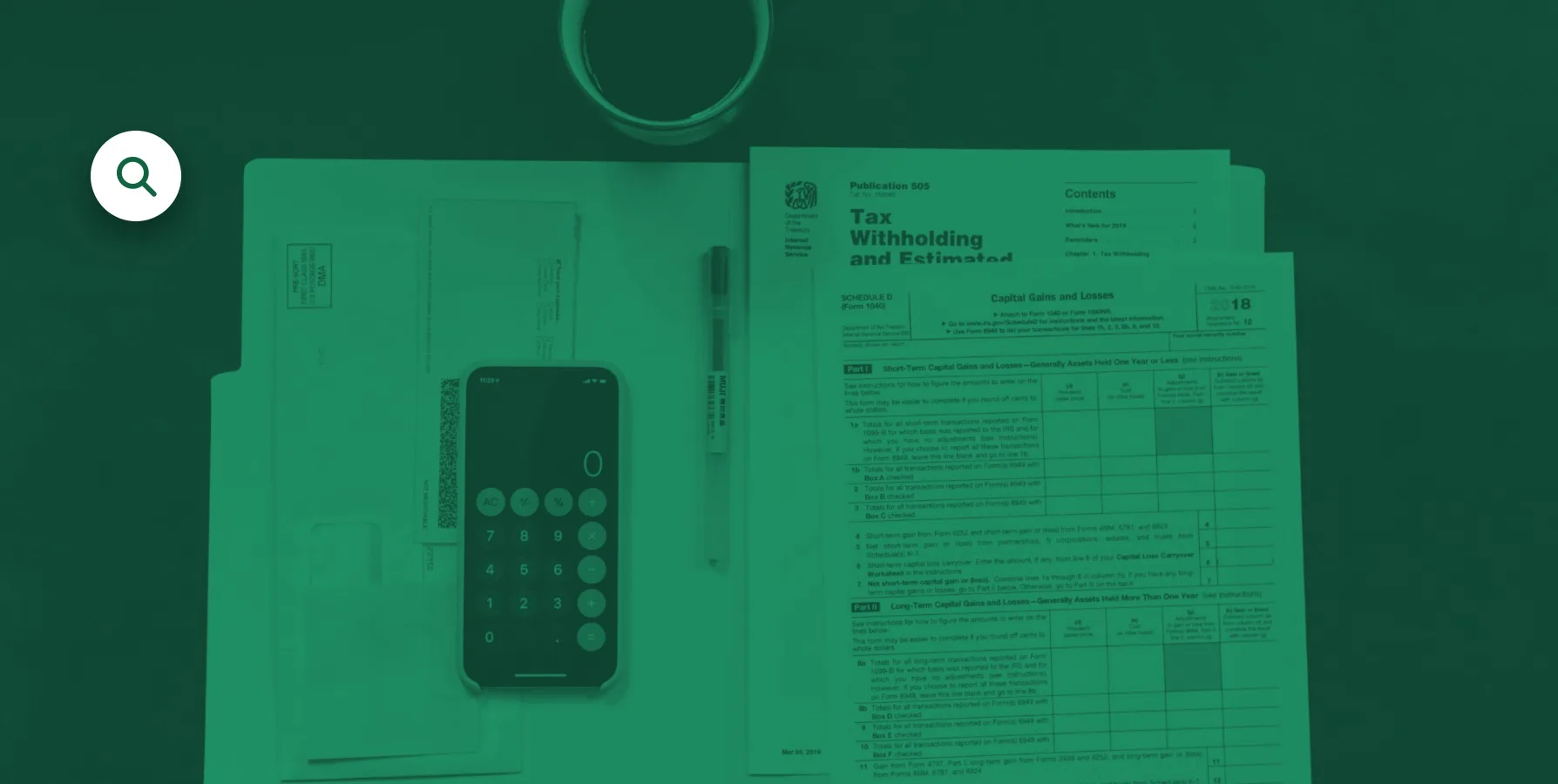
You receive a voicemail in which a calm voice from the "Tax Resolution Oversight Department" says your file has been flagged because you have an unpaid balance, and that this may be their only attempt to reach you.
That call is a scam. The actual IRS always initiates contact with snail mail. No letter means no legitimate call, however convincing it sounded.
In January 2026, the FTC published an alert about a wave of reports involving back taxes scam calls. Callers use official-sounding but entirely fake agency names, offering to connect you with a "tax resolution officer" who can run a "red flag check" on your credit and enroll you in an "IRS liability reduction program."
However, those programs don’t exist, and neither do the agencies.
The scam’s goal is to get your Social Security number or an illegal upfront fee for tax debt relief that never arrives.
Government impersonators cost Americans about $920 million in reported losses in 2025, up from $789 million the year before, according to 2026 FTC data.
The caller will give you a name that sounds like a federal office. However, real IRS communications come from the Internal Revenue Service, not any other name.
| Name used on the call | What it is |
|---|---|
| Tax Resolution Oversight Department | Named in the FTC's January 2026 alert. No such office exists. |
| Tax Mediation and Resolution Agency | Named in the same alert. The IRS doesn't use mediators who cold call. |
| Tax Resolution Center / Tax Resolution Unit | Private marketing name, not a government body |
| Tax Review Unit | No IRS unit contacts taxpayers by unsolicited phone |
| American Tax Professionals / American Tax Consultants | Lead-generation branding, no IRS affiliation |
| Tax Relief and Resolution Agency | Real relief programs are applied for directly, and free |
The FTC's 2024 Impersonation Rule has produced a dozen enforcement actions and over $70 million in consumer redress, including a June 2026 settlement with American Tax Service, a Nevada operation the FTC said impersonated the IRS.
Almost nobody receiving these calls owes back taxes. These are volume operations dialing from purchased lead lists. The caller has no idea what your tax situation is.
Answering marks your number as live and moves it to a more active list, which is why one call becomes many. Our guide to why unknown numbers keep calling covers how those lists get traded.
Yes, but never as the first point of contact.
The IRS's first contact about an unpaid balance always comes by mail. Revenue officers and authorized collection agencies do call, but only after written notice.
The IRS will also never:
That's most of what a scam caller does. It’s the same playbook as warrant scam calls and Medicare fraud calls. They borrow a real institution's authority, invent urgency, and push toward an irreversible payment.
Federal law requires the IRS to assign certain overdue, inactive accounts to private collection agencies. The only three that are authorized are CBE Group Inc., Coast Professional Inc., and ConServe. They do legitimately call taxpayers. When they do, it’s following a sequence that scammers can’t replicate:
If you didn’t get a CP40 in your mailbox means, the collection call is not legitimate. You can confirm your status in minutes at IRS.gov.
Got a call from a number you don't recognize? Run it through ClarityCheck's reverse phone lookup. It searches publicly available sources and may reveal names, general location, line type, and public web mentions associated with the number. Results vary by number and available data.
The enforcement actions above were built on these reports, and so were the agency names in the table.
Older adults are targeted heavily in back taxes scam calls. In the American Tax Service case, the FTC presented court evidence that the operation specifically targeted older consumers for upsells, sometimes tens of thousands of dollars at a time.
Make sure any parent (or older relative or friend) knows the IRS starts with mail, so they should hang up on any call claiming otherwise. Then make yourself the second opinion. Scammers depends on keeping someone isolated on the line, and one call to family ends most of these before money moves. For more, see our breakdown of FBI-flagged phone scams.
Here's how to identify a fake text message in seconds, plus how to potentially find out who is behind the number.
How to find someone on Discord with or without their username, what their profile still reveals, and how to check they're who they say before you trust them.
Getting car warranty scam calls? Here's how they work, what regulators have found, and the one question a scammer can never answer.